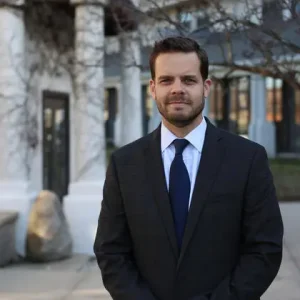
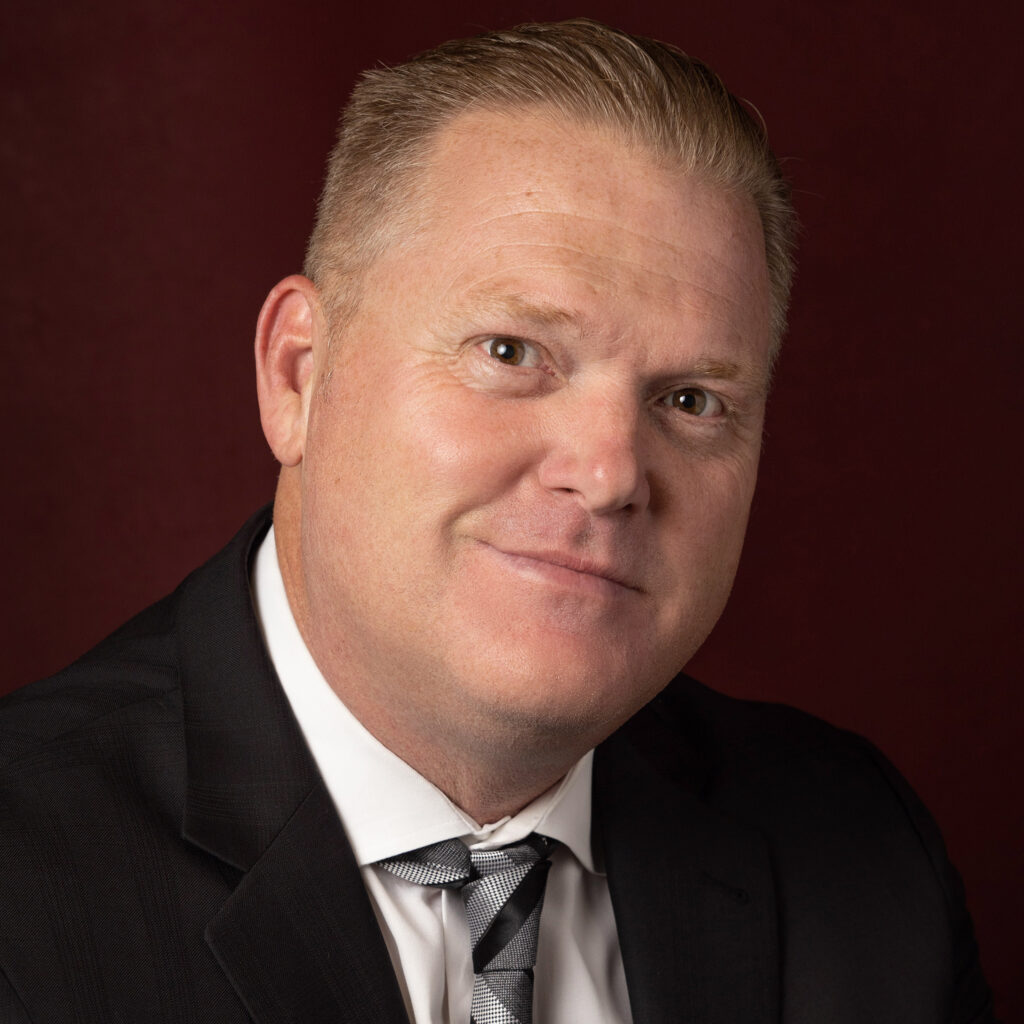
This track equips school leaders to build strategic and financial plans that sustain both mission and long-term viability. Across five sessions, participants will explore practical tools for budgeting, forecasting, enrollment strategy, and designing sustainable financial aid models. Matt Davidson will lead three strategic planning sessions focused on long-range vision and organizational alignment, while Steve Karlson will lead two finance-focused sessions providing frameworks for financial modeling and resource stewardship. The track emphasizes wise decision-making and aligning resources with the school’s core mission. Leaders will leave with clear frameworks to guide healthy growth and future-focused planning.
UPDATE: TRACK IS FULL
Please Note: Sessions for BPI 2025 are still being finalized. The sessions listed below are examples and may be subject to change, but they provide a preview of the types of learning experiences you can expect.
We will begin the intensive by discussing a proven long-term strategic planning process and the importance of having an inclusive structure that engages key stakeholders at the appropriate times. We will introduce you to and apply tools such as RACI to aid in the process. We will discuss the importance of cascading communication andaligning key stakeholders. Project ground rules that ensure a higher probability of success will be presented.
Presenter
Phil Strzalka
Session #2: Monday June 23 11:00am
Defining the Current State
A long-term strategic planning process should begin with a review of the school’s current state and relevant initiatives. Data from surveys and other information should be used to identify trends, opportunities, and risks. Key operational and financial performance metrics should be reviewed and analyzed. We will discuss best practice in the use of this information and key metrics to consider in your planning and decision-making process. We will also demonstrate the benefits of using an academic portfolio analysis.
Presenter
Phil Strzalka
Session #3: Monday June 23 1:30pm
Create a view of the world
The biggest mistake that most institutions make in their long-term strategic planning process is to focus on the current state and then move forward by focusing on improving what they are doing well. A more strategic and successful approach is to use a future-back approach. This requires the leaders to determine where they need to be in the future (5 or 10 years from now) and structure develop their plan to get them to where they will need to be. Understanding where you need to be requires a strong view of the world internally and externally influencing the school. During this session, participants will create a view of the world of Christian education in their region.
Presenter
Phil Strzalka
Session #4: Monday June 23 3:15pm
Managing Change
The implementation of strategic initiatives requires organizational change.No change occurs in isolation. Whether big, small, positive, or negative change, it will be confronted with resistance. We have learned that implementation of any initiative occurs in the context of all the lessonslearned from previous changes and a key factor predicting the likelihood of futureimplementation success is the pattern of implementation result achieved duringprevious projects.As such, to increase your probability of a successful, you will want to understand what hasworked well and what has not in the past. During this session, we will review the elements of an implementation historyassessment (i.e., structure, organizational stress, sponsorship, readiness, culture fit, capacity, reinforcement, communication, involvement, and personal belief). Conducting this assessment will allow you to identify specific barriers which must be eliminated or reduced to increase the probability ofsuccess.
Presenter
Phil Strzalka
Session #5: Tuesday June 24 9:00am
Implementation
During the last session, we will review tools that lead to successful implementation. We will discuss the difference between installation and implementation. Implementation requires an on-going commitment and anannual cycle of designing, aligning, launching, and measuring to reach the long-term goals established in the strategic plan in a sustainable way. We will introduce you to initiative trackingtools, communication tools, key performance, pulse surveys, and evaluation tools.
Presenter
Phil Strzalka
Faculty
Steve Karlson
COO and CFO | Wheaton Academy, West Chicago, IL
Steve Karlson graduated from North Park University with a Bachelor of Science in Finance. He came to Wheaton Academy from NAI Hiffman, where he served as Vice President/General Manager. In that role, he managed institutionally-owned real estate investments, which involved financial reporting, construction management, business sales, and staffing leadership.
Steve has served as both the Executive Board Chairman and Christian Education Board Chairman of his local church. He and his wife, Heather, have five children. They are actively involved with World Vision’s fundraising efforts to bring clean water to people in Africa. In addition, they are licensed foster parents and open their home to babies in need of short-term care.
matt davidson
superintendent | Timothy Christian Schools, Elmhurst, IL
Matt Davidson has led Timothy Christian Schools (PreK-12) for 16 years, raising over $75 million for capital improvements and new initiatives. Under his leadership, the school earned a National Blue Ribbon of Excellence and achieved record enrollment. Davidson has completed six major capital campaigns on schedule, under budget, and without debt. With 33 years in Christian education, he has served as a teacher, coach, and administrator. Davidson also consults with private schools on leadership, team-building, and advancement strategies.
Davidson and his school have received multiple awards over the years. He is also the chairman of the board for the Illinois Coalition of Nonpublic Schools — the CAPE affiliate and official voice for all nonpublic schools in the state. He is in Washington DC a few times each year as well to represent our interests at the federal level. He is a dedicated husband, father, and proud grandfather.
View More Tracks
With 10 Intensive Tracks, there’s something for everyone on your team.